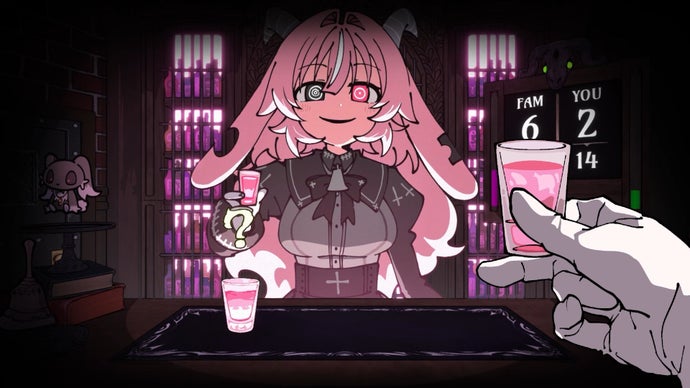
**The Emergence of AI Concerns in Game Development: The Example of Drunken Goddess Reflux**
In a groundbreaking action that underscores rising apprehensions within the gaming sector, the developers of the much-anticipated game “Drunken Goddess Reflux” have opted to abandon their intended public demo. This choice arises from worries that generative AI technologies might be employed to replicate their game, possibly resulting in unauthorized versions being launched prior to the official debut.
**The Danger of Generative AI**
Generative AI, pertaining to artificial intelligence frameworks capable of producing content that emulates human creativity, has achieved remarkable progress in recent years. These developments have unlocked fresh avenues for game creation, from crafting lifelike graphics to building intricate game settings. Nevertheless, they also present a risk to intellectual property, as these systems can generate and disseminate unauthorized copies of games.
**Concerns Among Developers**
The team behind “Drunken Goddess Reflux” shares their worries with many others. As AI tools become increasingly available, the likelihood of game cloning has surged, encouraging developers to reevaluate their tactics for pre-launch content. By scrapping the demo, the developers seek to shield their intellectual property and make certain that their game is not prematurely replicated or issued by outside entities.
**Implications for the Industry**
This occurrence might indicate the onset of a wider trend in the gaming field, where developers grow more cautious about revealing early iterations of their games. The potential for AI-driven cloning could instigate a transformation in how developers handle marketing and pre-launch strategies, placing greater importance on protecting their work from unauthorized reproductions.
**Striking a Balance Between Innovation and Protection**
Although generative AI presents thrilling potential for innovation, it also requires a careful equilibrium between utilizing these tools and protecting intellectual property. Developers may have to investigate novel approaches to secure their games, such as employing sophisticated encryption methods or creating proprietary AI models that are less prone to cloning.
**Final Thoughts**
The choice made by the creators of “Drunken Goddess Reflux” to call off their demo showcases a rising issue within the gaming sector concerning the misappropriation of generative AI. As this technology progresses, developers must stay alert and adjust their tactics to safeguard their creations from unauthorized reproduction. This situation acts as a reminder of the obstacles and prospects posed by AI in the continuously evolving realm of game development.