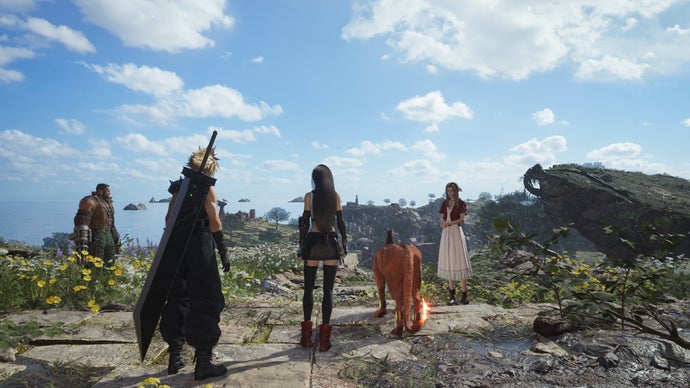
Title: The Evolving Landscape of Gaming: Why Younger Players Are Stepping Away from Final Fantasy and Dragon Quest
Recent conversations within the gaming community have been ignited by a viral post that stirred curiosity and discussion regarding the decreasing fascination of younger players with legendary franchises such as Final Fantasy and Dragon Quest. The post examined the factors contributing to this trend, highlighting a preference amongst children for titles like Pokémon. This observation has struck a chord with many, including industry stalwarts like Naoki “Yoshi-P” Yoshida, the producer of Final Fantasy XIV.
In a series of interviews prior to the upcoming Dissidia game’s launch, Yoshida recognized this change in interest. He identified a key reason for the dwindling engagement with the Final Fantasy series among younger fans: its sporadic release schedule. Unlike Pokémon, which regularly churns out new content and updates, Final Fantasy games typically require longer development periods, creating intervals that may lead younger gamers to lose interest.
The gaming environment has transformed considerably over the years, with younger players drawn towards titles that provide constant engagement and frequent updates. Pokémon, with its regular rollouts and vast universe, offers a steady influx of new content that keeps its audience captivated. This model contrasts sharply with the conventional framework of franchises like Final Fantasy and Dragon Quest, which have historically concentrated on delivering extensive, standalone experiences.
Additionally, the accessibility and familiarity of Pokémon significantly contribute to its lasting appeal. The franchise’s straightforward mechanics, along with its widespread representation across various media, make it an appealing option for younger players. Conversely, the intricate storylines and gameplay systems of Final Fantasy and Dragon Quest may not connect as effectively with today’s youth, who often lean towards games that offer instant satisfaction and social interaction.
Yoshida’s observations underscore a broader trend within the gaming sector, where the preferences of younger gamers are influencing the development and marketing tactics of established franchises. As the gaming industry advances, developers must adjust to the evolving tastes and expectations of their audiences to maintain relevance.
In summary, the shift in interest from classic RPGs like Final Fantasy and Dragon Quest towards more interactive and frequently updated games like Pokémon mirrors the changing priorities of younger gamers. As the industry progresses, it will be essential for developers to strike a balance between preserving the core essence of their cherished franchises and catering to the demands of a new generation of players.