**Crimson Desert: An In-Depth Examination of the Controversial Video Game**
Crimson Desert, created by Pearl Abyss, has emerged as a subject of conversation within the gaming community. Although it is classified as a video game, its reception has been varied, with some players finding it to be just average or at times confusing. The game has faced criticism for seemingly emphasizing size and scale at the expense of depth, leading some to speculate that it was crafted to vie for attention in the industry rather than to deliver a distinctive gaming experience.
One of the primary controversies connected to Crimson Desert is the suspicion that certain art assets may not be entirely created by human hands. This has raised concerns and ignited debates over the inclusion of AI-generated content in video games. The worry is that the game might lack transparency regarding the origins of its art assets, which could affect its authenticity and how its creative worth is perceived.
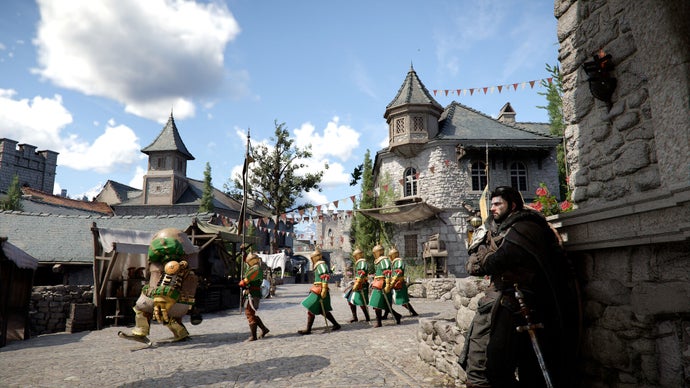
In spite of these challenges, Crimson Desert has succeeded in attracting gamers’ interest, partly due to its ambitious vision and the reputation of its developer. Pearl Abyss is acclaimed for producing visually impressive games, and Crimson Desert is no different, featuring striking graphics and intricately designed environments.
As the dialogue around AI-generated content in video games persists, Crimson Desert stands as a pivotal point for discussions regarding creativity, authenticity, and the future of game development. Whether the game will transcend its controversies and become a cherished title remains uncertain, but it undeniably plays a role in the ongoing conversation about technology’s involvement in the creative process.