In recent times, the realm of budget gaming PCs has undergone a significant transformation, primarily due to ongoing memory shortages. These shortages have greatly affected the pricing of critical components like RAM, SSDs, and graphics cards, making it progressively harder to construct an affordable gaming rig. The previously embraced idea of creating an economical gaming PC has faced severe obstacles, with prices for desktop parts remaining elevated.
Handheld gaming PCs, which were once viewed as a more economical choice, have also experienced considerable price surges. Devices that used to be regarded as budget-friendly are now facing cost increases of over 40%, or are debuting with price points surpassing £1,000. This trend has impacted the availability of gaming hardware for numerous consumers.
The Steam Machine, once an optimistic initiative in the realm of affordable gaming, has also been affected by these market conditions. The persistent memory scarcity has worsened the situation, making it challenging for manufacturers to maintain competitive pricing.
Despite these hurdles, some consumers still maintain hope for economical gaming options. Nonetheless, the starting point for a decent, up-to-date 1080p gaming experience remains high, particularly for newcomers to PC gaming who need to acquire additional peripherals like monitors and keyboards.
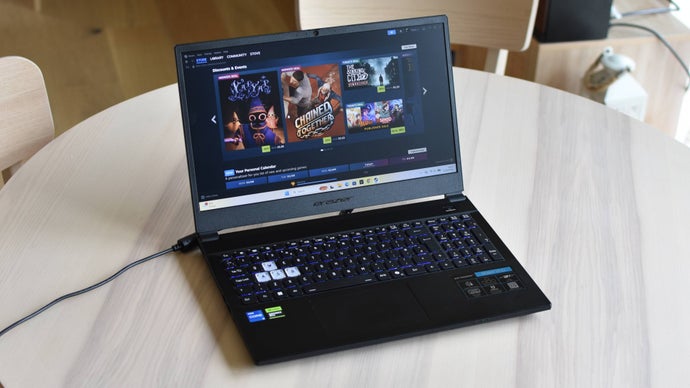
One plausible alternative for budget-minded gamers is the gaming laptop. While often viewed with doubt by some enthusiasts, gaming laptops have emerged as a more feasible cost-efficient option. With technological advancements, these devices now deliver commendable performance for under £999, making them an attractive choice for those in search of an affordable gaming experience.
In summary, while the idea of an inexpensive gaming PC has been heavily affected by memory shortages and increasing component costs, gaming laptops offer a potential answer for budget-conscious gamers. As the market continues to change, consumers may need to recalibrate their expectations and explore alternative avenues to enjoy gaming without overspending.