**The EU Kids Act: A New Chapter for Online Safety for Those Under 15**
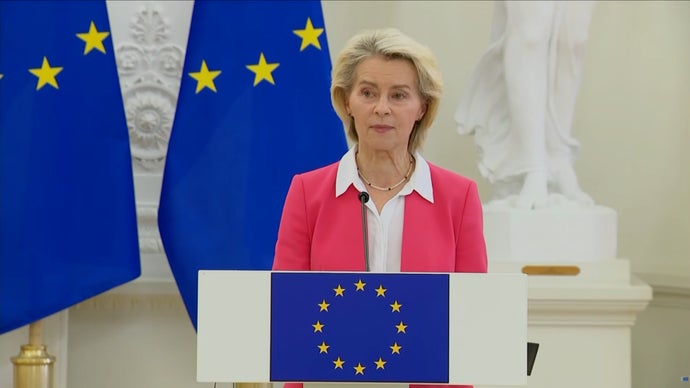
The European Commission is said to be in the process of drafting a novel set of rules focused on improving the online safety of minors under the age of 15. This envisioned legislation, referred to as the EU Kids Act, aims to create a comprehensive framework governing how youths engage with social media, AI chatbots, and online gaming. The initiative highlights the escalating worries regarding young users’ exposure to potentially harmful material and interactions within digital spaces.
**A Multi-Level Framework for Account Access**
At the core of the EU Kids Act is the establishment of a multi-level framework that classifies the types of accounts minors under 15 can establish. This framework is intended to offer different levels of access and interaction based on age, ensuring that younger users are protected from unsuitable content and online dangers. By instituting such a framework, the European Commission seeks to foster a safer online space appropriate for the developmental requirements and safety of children.
**Age Verification: An Essential Element**
In line with the UK’s Online Safety Act, the EU Kids Act underscores the significance of age verification systems. The proposed legislation would mandate platforms to enforce strong age verification protocols, ensuring that users are correctly recognized and classified according to their age cohort. This initiative is anticipated to introduce extra steps for users to confirm their age, possibly involving methods like credit card verification, checks with government-issued identification, or other reliable age confirmation means.
**Consequences for Social Media, AI, and Gaming Entities**
The roll-out of the EU Kids Act could considerably affect social media platforms, AI chatbot providers, and online gaming businesses. These organizations would be required to modify their systems and policies to adhere to the new regulations, potentially resulting in changes to how they create and deliver services to young audiences. The act aims to hold these platforms responsible for the safety of their younger users, encouraging a focus on child protection within their operations.
**Striking a Balance Between Safety and Accessibility**
Although the EU Kids Act primarily concentrates on boosting safety, it also brings forth issues regarding accessibility and user experience. Platforms must strike a balance between enforcing strict safety protocols and preserving a fluid user experience for young users. The task is to develop a system that effectively safeguards minors without placing excessive restrictions that might impede their ability to interact with digital content.
**Looking Forward**
As the European Commission advances with the EU Kids Act, various stakeholders, including parents, educators, and industry professionals, will be closely observing the situation. The proposed legislation marks a crucial movement toward protecting children in the digital era, mirroring a wider global shift towards stricter regulation of online environments. As dialogues proceed, the aim will be to ensure that the digital space remains a secure and enriching setting for all users, especially the youngest.