The notion of strategy in gaming frequently brings to mind images of monumental clashes, where participants prevail through sheer strength and tactical intelligence. For numerous beginner gamers, strategy equates to dominating space—launching formidable assaults, erecting unassailable fortifications, and gradually exhausting rivals through unwavering attrition. Nevertheless, experienced strategists recognize that genuine expertise resides in the control of time.
This subtle comprehension of strategy is illustrated by the “Napoleon of Drag-Select,” a figurative persona that values timing over mere power. In this scenario, strategy not only involves the immediate mastery of the combat zone but also forecasting and shaping forthcoming occurrences. This perspective demands a profound grasp of the game’s mechanics and the capacity to anticipate and negate opponents’ actions before they manifest.
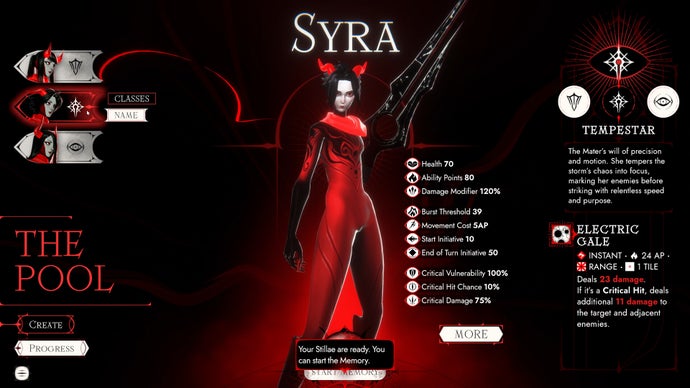
The title “Ex Sanguis” presents a distinctive interpretation of this idea. Although it incorporates unconventional aspects, like characters fashioned from clotted blood and pincers, its fundamental gameplay is centered on seizing the initiative. Players are required to strategize several moves ahead, making choices that will alter the game’s trajectory well before the repercussions become apparent.
Napoleon Bonaparte, a historical figure famed for his strategic acumen, might have had ambivalent views on “Ex Sanguis.” While he may have questioned its whimsical elements, he would probably admire its focus on timing and initiative. In combat, as in gaming, the capability to control the pace of engagement frequently dictates the result.
In the end, “Ex Sanguis” compels players to reevaluate their strategic methodologies. It motivates them to transcend the immediate and reflect on the wider consequences of their decisions. By mastering time, players can secure success not via overwhelming power, but through meticulous strategy and foresight.