The quantity of memory required by a PC has been a disputed issue among computer users since the initial stages of computing, well before DDR1 was introduced. The demands of various applications, games, and in-game settings differ greatly, implying that what may function well for one configuration could be inadequate for another. As of 2026, this discussion has escalated due to the soaring costs of hardware. Both Nvidia and AMD have progressively raised their prices, influenced by a persistent AI-driven RAM scarcity, making the definition of what genuinely represents a “need” in terms of memory even more complex.
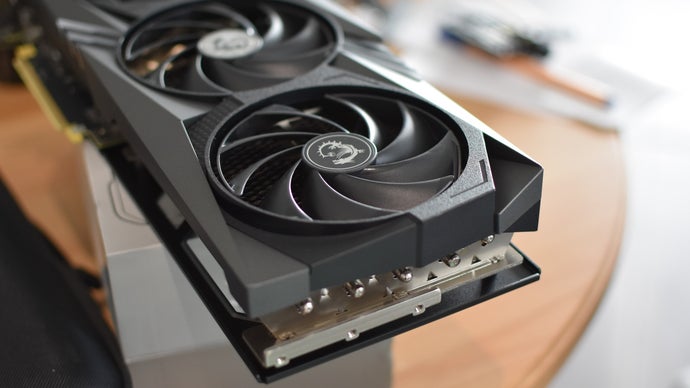
A key illustration of this ongoing discussion revolves around VRAM, or video RAM. There is an increasing conviction among certain enthusiasts that 8GB of VRAM is becoming insufficient to satisfy contemporary requirements. Nevertheless, this viewpoint has not considerably affected the hardware setups of entry-level and mid-range graphics cards currently on the market. Nor has it encouraged a significant number of gamers to enhance their systems. In fact, the majority of Steam users still operate with GPUs that have 8GB of VRAM or less.
This scenario underlines the intricacy of identifying the right quantity of memory for a PC. While some users promote greater VRAM capacities to safeguard their systems for the future, many others believe their existing configurations sufficiently fulfill their requirements. The choice ultimately hinges on individual usage habits, the particular applications and games in operation, and personal financial limitations. As prices for components continue to be elevated, the conversation regarding memory needs is expected to endure, with users balancing the advantages of upgrading against monetary considerations.