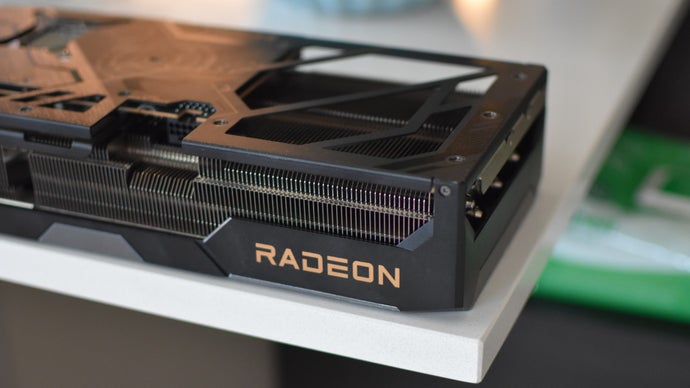
The persistent memory turmoil, commonly dubbed “RAMnarök,” continues with no indication of relief. This predicament has had a profound effect on the technology sector, especially concerning memory-reliant hardware like graphics cards. The scenario has been worsened by the soaring demand for RAM, spurred by progress in AI and other data-heavy technologies.
As reported, the deficit has caused a notable rise in the costs of graphics processing units (GPUs). Both AMD and Nvidia, among the top players in the GPU sector, have allegedly increased their pricing in light of the ongoing crisis. This situation has imposed a financial burden on both consumers and businesses, as the expenses of assembling or upgrading computer systems keep climbing.
The cascading effects of the RAM shortage are reverberating throughout the technology industry. With memory prices escalating, the expenses associated with manufacturing and acquiring tech products have surged, impacting everything from personal computers to gaming consoles. This has created a tough atmosphere for consumers aiming to invest in new technology or enhance their current setups.
Though the circumstances are bleak, there is optimism that the industry will ultimately adapt and devise means to alleviate the repercussions of the memory crisis. In the interim, consumers and businesses must navigate the challenges presented by the ongoing shortage and the consequent price increases in the tech marketplace.