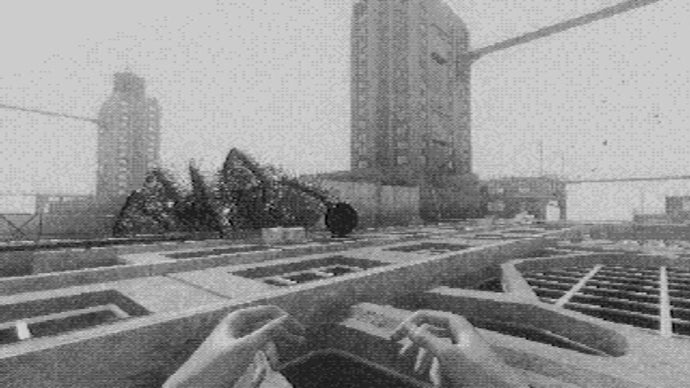
In the domain of folklore and narrative, the process of assigning a name to a creature is frequently viewed as a method to exercise dominion over it, to establish limits on its untamed essence. This concept is captured in the saying “to name a wild thing is to tame it.” Nevertheless, in the imaginary setting of Fallgrade, the colossal, nebulous spider referred to as Karl contradicts this idea. Despite its seemingly harmless name, Karl maintains its sinister aura, questioning the belief that naming can genuinely control the uncontrollable.
The selection of the name “Karl” for such a daunting being sparks speculation and intrigue. Could it reference historical personalities like Karl Marx, possibly alluding to underlying political or philosophical concepts? The association with spider imagery in anti-Communist propaganda adds further complexity to this interpretation. Spiders have traditionally served as symbols in numerous forms of propaganda, embodying hidden threats or pervasive hazards. However, the application of arachnid imagery isn’t limited to any single ideology, rendering Karl’s name a captivating enigma.
For some, the name “Karl” may conjure ordinary connotations, such as paperweights, infusing an ironic dimension into the spider’s frightening demeanor. In spite of these notions, the terror that Karl evokes is undeniable, demonstrating that a name alone cannot lessen the intrinsic fear of a gigantic spider lurking in the mist.
Ultimately, Karl the spider acts as a reminder that names, while influential, cannot always encapsulate the wildness they attempt to characterize. In Fallgrade, Karl persists as an eerie presence, a testament to the untamable elements of the imagination that resist easy classification or suppression.