**RAMnarök: Steering Through the Memory Crisis in Gaming**
Lately, the gaming sector has been buzzing with conversations about the term “RAMnarök,” a phrase introduced to characterize the current memory shortage dilemma affecting PC users globally. This predicament has been intensified by accusations of price-fixing and supply manipulation among leading memory producers, as highlighted in legal actions against firms such as Samsung, SK Hynix, and Micron. The scarcity has resulted in skyrocketing prices and constrained availability of RAM, complicating the upgrade process for gamers and PC enthusiasts.
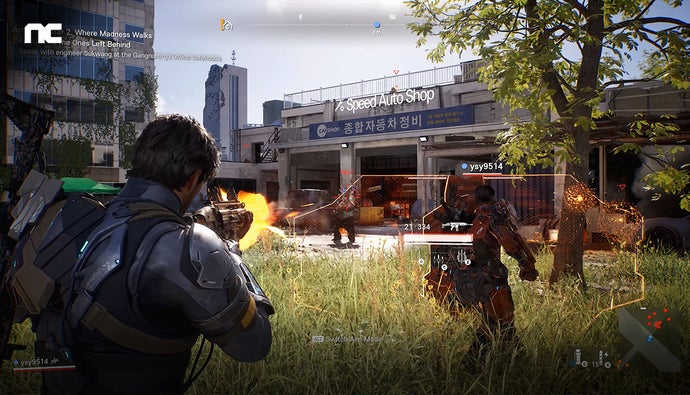
Against this context, the debut of the tactical shooter MMO, Cinder City, spotlighted the issue significantly. At first, the system requirements of the game stipulated an unprecedented 32GB of RAM as the minimum and an astonishing 64GB as the optimal amount. These demands were double the standard expectations for contemporary, high-budget 3D games, drawing skepticism within the gaming community.
The response was immediate, with many questioning the need for such elevated memory requirements, particularly during a worldwide shortage. In reply, the game’s publishers, NC (previously NCsoft), adjusted the specifications. The recommended RAM was modified to a more sensible 32GB, while the GPU requirement was raised from an RTX 4060 to an RTX 4070.
This episode highlights the larger implications of the memory crisis on the gaming domain. Developers must find a compromise between the need for advanced technology to provide top-notch experiences and the practical limitations that consumers face. As the landscape changes, both gamers and developers will have to adapt to the obstacles introduced by RAMnarök, seeking creative solutions to continue relishing and crafting immersive gaming experiences.