Brutalism, a design style in architecture noted for its bold, geometric forms and raw concrete utilization, has carved out a distinctive niche in the realm of video games. This aesthetic fulfills two main functions: acting as a source of interactive components or serving as a setting for immersive exploration.
In games that focus on action, brutalist edifices frequently provide concrete elements for gameplay dynamics. For example, in titles like “Control,” the substantial, concrete surroundings become integral to the player’s toolkit, enabling them to manipulate and launch pieces of the environment as projectiles. This form of interaction injects a lively dimension into the gameplay, rendering the architecture a vital component of the player’s strategic approach.
Conversely, numerous games employ brutalism as a backdrop for more reflective experiences. These titles encourage players to wander through expansive, vacant areas, evoking feelings of solitude and contemplation. The grand, monolithic edifices cultivate an atmosphere that prompts players to ponder the environment and their role within it. Games such as “Fugue in Void” exemplify this style, providing a meditative voyage through a world marked by its stark beauty.
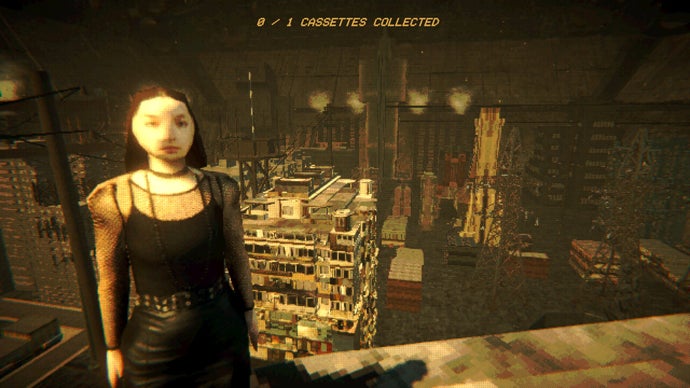
“Lullabies Made of Static,” a more recent entry into this genre, amalgamates both facets of brutalism in gaming. It affords players a chance to navigate and immerse themselves in the serene, melancholic atmosphere of its realm. This game, similar to “Fugue in Void,” harnesses the emotional impact of brutalist designs, presenting a slower, more contemplative adventure.
In summary, brutalism in video games serves as both a practical and aesthetic component, enriching gameplay through interactive settings or deepening the narrative via atmospheric exploration. Whether deployed as a mechanism for action or as a canvas for introspection, brutalism consistently enchants players with its distinctive synthesis of form and function.