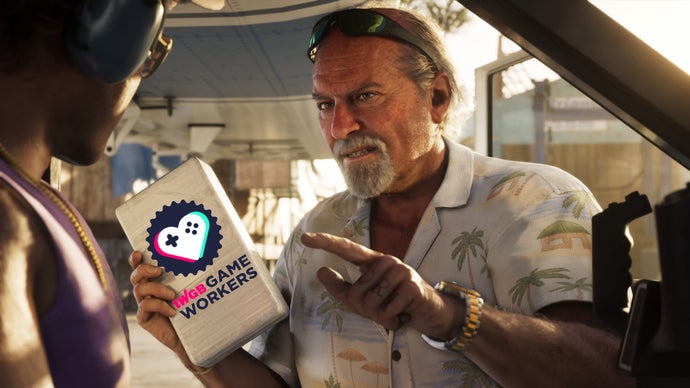
**Rockstar IWGB Game Workers Union Pursues Official Recognition Before GTA 6 Launch**
The Rockstar IWGB Game Workers Union is making waves as it seeks official acknowledgment from Rockstar Games, the esteemed creator of the Grand Theft Auto franchise. This initiative arises at a pivotal moment, with the eagerly awaited release of GTA 6 set for this November.
The union, which publicly revealed its establishment at the end of May, has not yet received formal recognition from Rockstar Games. In the absence of this acknowledgment, the union does not have established pathways to advocate for its main objectives: pay transparency, adaptable working conditions, and the eradication of crunch culture—a widely recognized issue in the gaming sector where staff are pressured into excessive overtime to meet project timelines.
Although Rockstar has not officially recognized the union, its initiatives are supported by UK labor regulations, which outline a framework for union acknowledgment and workers’ rights. These laws state that if an employer does not voluntarily recognize a union, the union can seek acknowledgment via a government tribunal. Rockstar Games has been allotted a 10-working-day period to voluntarily acknowledge the union; if they do not comply, the situation may escalate to a tribunal.
The establishment of the union and its quest for recognition underscore persistent issues within the gaming sector related to labor practices. As the launch date for GTA 6 nears, all attention is focused on Rockstar Games to observe how they will react to the union’s requests and whether they will open a dialogue to tackle these significant concerns.
The resolution of this scenario could establish a precedent for labor relations in the gaming field, especially regarding how major developers interact with employee unions. As the industry keeps expanding, the equilibrium between creative production and equitable labor practices remains an urgent issue for both workers and employers.