**The Rise and Decline of the Steam Machine and Its Companion Cube Case**
The Steam Machine, a collection of gaming consoles created by Valve Corporation, sought to connect the worlds of PC gaming and console gaming. Released in 2015, these devices were intended to operate on SteamOS, a Linux-based operating system, delivering a gaming experience suitable for the living room. Even with the initial excitement, the Steam Machine faced challenges in achieving market success due to several factors, such as strong competition from established consoles and a shortfall of exclusive games. Consequently, the availability of Steam Machines has dwindled, although they haven’t completely vanished from the market.
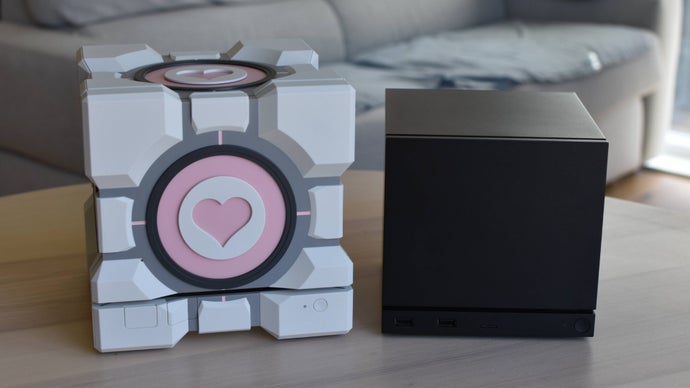
In a related event, Dbrand, a firm recognized for its custom skins and cases, embarked on creating a Portal-themed accessory for the Steam Machine: the Companion Cube case. This product drew inspiration from the well-known video game “Portal” and was promoted as a premium, albeit pricey, addition. Nevertheless, the case’s development encountered a major obstacle—Dbrand failed to obtain official authorization from Valve to utilize the Portal theme.
As a result of this misstep, Valve stepped in, and Dbrand was compelled to halt sales of the Companion Cube case. Customers who had previously bought the case received refunds, leading to its effective removal from the marketplace. This episode emphasizes the importance of obtaining the requisite rights and permissions when producing themed merchandise, particularly when it pertains to well-known intellectual properties.
The journey of the Steam Machine serves as a cautionary tale regarding the hurdles encountered by newcomers in the gaming hardware sector, while the saga of the Companion Cube case illustrates the legal intricacies involved with themed accessories. Despite these challenges, the legacy of the Steam Machine and its related products continues to captivate gaming aficionados and industry analysts alike.