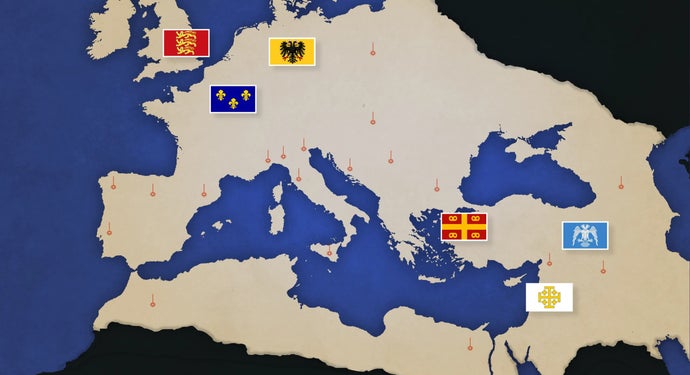
Creative Assembly has formally revealed the initial six playable factions for the eagerly awaited historical strategy title, Total War: Medieval 3. This announcement has ignited enthusiasm among fans keen to immerse themselves in the medieval era of strategic conflict. In conjunction with this disclosure, Creative Assembly has also shared insights into the elaborate methodology behind the selection of factions for the Total War franchise.
The choice of factions is a vital component of the game development process, as it influences the player’s journey and the historical fidelity of the game. Creative Assembly’s strategy for selecting factions entails an extensive exploration of historical studies, guaranteeing that each faction is not only distinct in its gameplay features but also faithful to its historical background. The developers strive to establish a varied and balanced lineup that mirrors the intricacies of medieval geopolitical dynamics.
While the concept of determining factions through a grand tournament, complete with jousting and skirmishes, is an entertaining notion, it remains a fanciful dream. The truth of game development involves thoughtful analysis and strategic arrangements rather than medieval warfare. Nonetheless, Creative Assembly is involving the community by permitting players to vote on 23 extra factions that may be included in the game. This digital voting process acts as a contemporary version of the medieval tournament ground, where the community’s input significantly influences the future of the game.
As fans eagerly anticipate the launch of Total War: Medieval 3, the community’s participation in the faction selection process introduces an exhilarating dimension of expectation. The blend of historical authenticity, strategic complexity, and community involvement promises to offer a rich and engaging experience in the newest chapter of the Total War series.