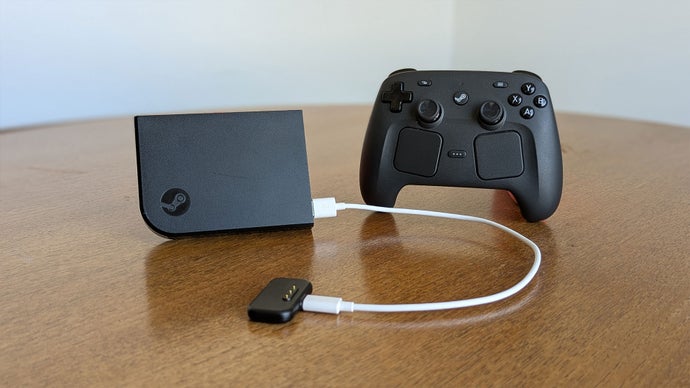
Valve’s revelation of the Steam Machine, Steam Controller, and Steam Frame signified a pivotal moment for gamers eager to merge PC gaming with the living room atmosphere. The Steam Machine, especially, aimed to revolutionize how players interacted with games by presenting a compact, console-style PC capable of integrating effortlessly with a home entertainment system. For numerous gamers, this was a long-awaited dream, particularly for those wanting to relish the immersive experience of big-screen gaming without the complications of moving their desktop setups.
The charm of the Steam Machine resided in its promise to streamline the connection of a robust gaming PC to a TV, offering the ease of console gaming combined with the power and adaptability of a PC. This idea resonated with gamers who had previously endured the tedious process of relocating their PCs to the living room, only to be discouraged by tangled cables and the hassle of frequent moves.
As time progressed, however, the enthusiasm surrounding the Steam Machine diminished due to the lack of specific details regarding its launch and pricing. This uncertainty prompted some to investigate alternative options, such as the Steam Link, a device aimed at streaming games from a PC to a TV. Despite its promise, many users, including those who had utilized a Steam Link for years, faced challenges in achieving effective performance.
The Steam Machine’s elegant design and vow of carefree living room gaming rekindled interest in the idea, but the lack of clear information left some feeling cautious. Consequently, the Steam Link surfaced as a potential interim solution for those hesitant to invest in a new system without knowing its price or availability.
In summary, Valve’s venture into living room gaming with the Steam Machine and associated hardware captured the imagination of gamers desiring a more integrated and convenient gaming experience. While the initial thrill was tangible, the transition from announcement to real-world execution proved difficult, underscoring the challenges of blending PC gaming with the straightforwardness of console usage. As the gaming landscape advances, the pursuit of a seamless living room gaming experience continues to be an appealing objective for both developers and players.