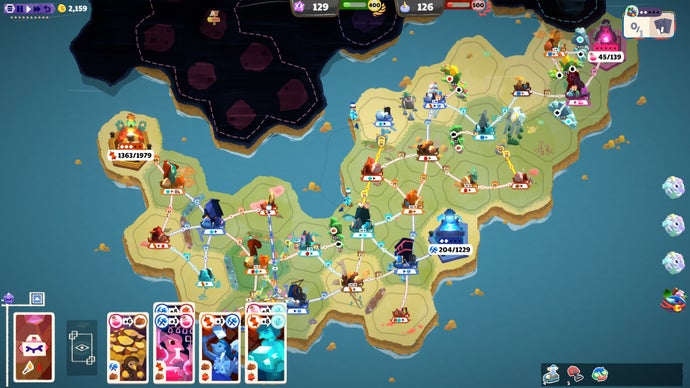
Within the sphere of fantasy gaming, the notion of offering sacrifices to pacify deities is a prevalent theme. Nevertheless, the complex logistics required to ensure a consistent provision of sacrifices, like virgins for a volcano god, often go unexamined. The difficulty lies in maintaining a steady inflow of sacrificial candidates without exhausting the source.
One possible approach is to create a trading network with neighboring settlements. For example, a village could trade virgins in exchange for steel wire, a precious resource generated by the furnaces. However, if the inland villages find no use for steel wire but need fish, a more intricate trading route must be established. The steel wire might be sold to coastal villages, allowing them to enhance their fishing output. The fish could then be bartered with inland villages, which in return, supply virgins for sacrifice.
This arrangement, although appearing efficient, prompts inquiries regarding sustainability. Once the surrounding villages deplete their stock of virgins, the cycle is likely to be interrupted. The duty of sustaining the supply chain rests with the villages themselves, as outside entities, like game developers, cannot be held liable for the actions taken by these communities. This serves as a wider comment on the dynamics of trade and resource management within fantasy worlds, where the equilibrium between demand and supply must be meticulously regulated to avert societal downfall.