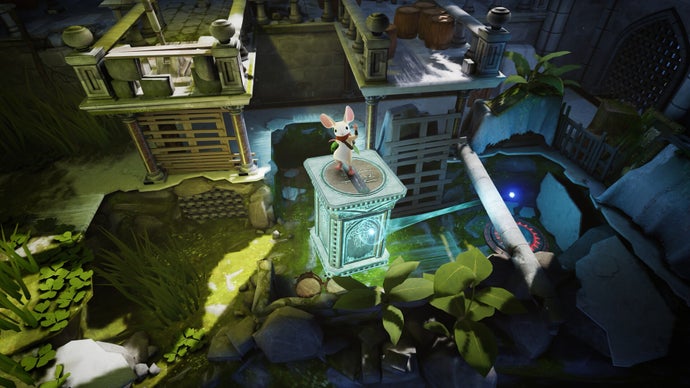
**The Shift of VR Games to Non-VR Platforms: An Examination of the Moss Series**
Virtual Reality (VR) gaming has transformed how players engage with digital environments, providing immersive experiences that conventional screens cannot match. Nonetheless, not everyone has the ability to access VR headsets, leading to an increasing trend of VR games being adapted for non-VR platforms. This transition, while enhancing accessibility, often elicits mixed feelings among gaming fans.
A prominent illustration of this trend is the Moss series, a cherished puzzle-platformer originally created for VR. The series, celebrated for its captivating storytelling and interactive mechanics, was designed to utilize the distinctive features of VR. Players could physically interact with the environment, guiding the main character, Quill, through an enchanting adventure. The tactile aspect of VR fostered a deeper connection with the game, rendering the experience genuinely enchanting.
Despite the engaging attributes of VR, the reality is that not all gamers have the resources or inclination to invest in VR technology. This limitation has prompted developers to modify VR titles for conventional screens, ensuring that a wider audience can appreciate their creations. The Moss series is now preparing to launch a version without VR, amalgamating both games into a single compilation. This strategy allows players without VR headsets to savor the charm of Moss, though in a different format.
While this transition to non-VR platforms democratizes access to these games, it inevitably modifies the original experience. The lack of VR’s immersive aspects can create a feeling of loss for those who have experienced the game as it was originally intended. The tactile interactions and spatial awareness that VR offers are challenging to duplicate on a flat screen, potentially lessening the game’s impact.
However, for players who have not yet delved into Moss, the VR-less version provides a significant opportunity. It allows them to engage with the game’s story and puzzles, which remain intriguing regardless of the platform. This accessibility can attract new fans to the series, broadening its audience and ensuring its legacy continues.
In summary, although there is a hint of sorrow when a VR game is transitioned to a regular screen, the advantages of accessibility and inclusivity must not be disregarded. The Moss series exemplifies this equilibrium, offering an opportunity for more players to embark on Quill’s adventure. As the gaming industry continues to progress, discovering ways to bridge the gap between VR and non-VR experiences will be essential in bringing the enchantment of gaming to all.