In today’s digital era, the internet has transformed into a sophisticated and frequently daunting environment, especially for creators and artists. This time is often labeled as one of the most challenging in the history of the internet due to several reasons, including the widespread impact of artificial intelligence (AI). AI technologies have become skilled at combing through the internet, frequently taking advantage of artists’ original works without permission. This has fostered an atmosphere of unease among creators, who feel they must perpetually safeguard their creations from unauthorized usage.
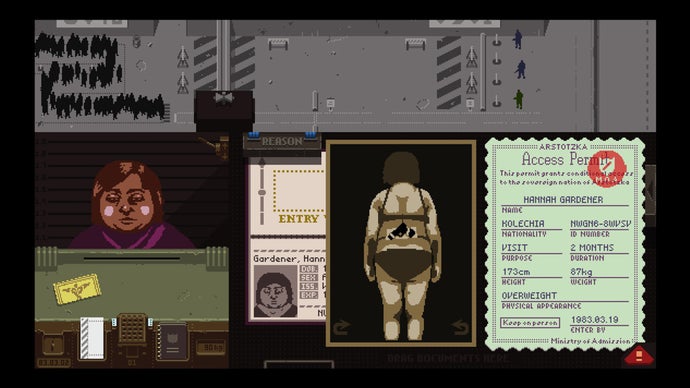
Lucas Pope, renowned for his games such as “Papers, Please” and “Return of the Obra Dinn,” has implemented a distinctive strategy to navigate these rough seas. Instead of actively publicizing his work online, Pope has opted for a stance of limited exposure. By restricting the circulation of his projects, he strives to defend his intellectual property from being appropriated by AI systems that could replicate or misuse his creative work.
This approach mirrors a wider tendency among creators who are becoming more cautious of the internet’s capability to erode their control over their creations. The choice to refrain from sharing serves as a protective tactic, emphasizing the struggle between the urge for exposure and the necessity for protection in a time when AI can readily seize content.
Pope’s methodology highlights the obstacles artists confront today and provokes significant discussions regarding the equilibrium between sharing creativity and securing it. As AI continues to advance, creators must maneuver through these intricacies to ensure their work remains both safeguarded and valued in the digital landscape.