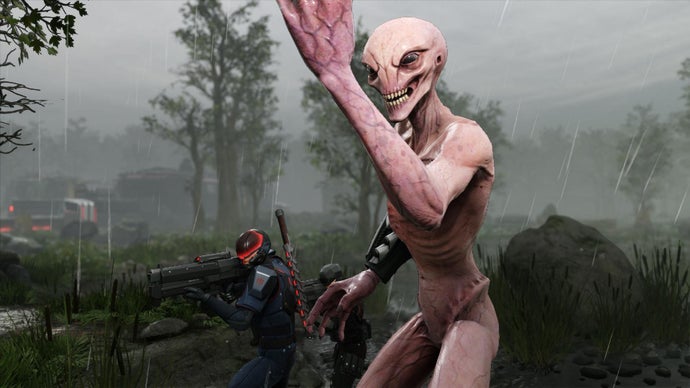
Garth DeAngelis, an essential member of Firaxis Games, reflects on the crucial choice to forgo procedurally generated maps during the creation of “XCOM: Enemy Unknown.” This aspect, initially part of the 1994 original, presented significant complications when Firaxis endeavored to incorporate it into their contemporary reboot. The team faced multiple technical obstacles, which ultimately resulted in the decision to use meticulously crafted maps instead.
The initial “XCOM” title was famous for its procedural maps, which introduced an element of unpredictability and re-playability. However, as Firaxis developed “XCOM: Enemy Unknown,” they discovered that the technology necessary to produce procedurally generated maps that fulfilled their quality expectations was unachievable at that moment. The intricacies of ensuring balanced and captivating gameplay on randomly generated landscapes posed a considerable challenge.
Nonetheless, this setback did not dissuade Firaxis from re-exploring the idea in subsequent projects. The desire to master procedural generation remained robust, becoming a significant emphasis for “XCOM 2.” By that time, technological advancements and a more profound comprehension of procedural generation enabled Firaxis to effectively execute this feature, thereby enhancing the game’s re-playability and strategic complexity.
The transition from “XCOM: Enemy Unknown” to “XCOM 2” illustrates the difficulties and successes of video game development, underscoring Firaxis’s dedication to innovation and their capacity to learn from previous experiences to provide a more enriched gaming experience.