**The Rise of AI in Art: A Double-Edged Sword**
The incorporation of artificial intelligence (AI) into the world of art is an occurrence that has been developing over time. Although AI’s involvement in art is frequently met with doubt, it is unmistakable that it has become a key component of the creative scene. This duality is clear in the differing views of AI’s impact on art, as illustrated by the cinematic representation by Steven Spielberg in “A.I. Artificial Intelligence” and the modern critiques of art generated by AI.
Spielberg’s movie, released in 2001, showcased a vision of AI as a positive entity, capable of human-like feelings and interactions. It was a storyline that investigated the possibility for robots to live alongside humans, pushing the limits of what it signifies to be sentient. This depiction of AI was hopeful, implying that technology could improve human experiences and have a beneficial effect on society.
Fast forward to today, and the narrative surrounding AI in art has evolved. The current conversation often emphasizes the restrictions and challenges that AI-generated art brings. Detractors claim that AI creates “garbage imitations” of true artistic expressions, missing the depth and authenticity that human creativity offers. This viewpoint mirrors a wider concern regarding the standardization of art and the possible erosion of originality in a world ever more shaped by algorithms.
In spite of these critiques, it is vital to weigh the potential advantages of AI in art. The evolution of AI technologies has unveiled fresh pathways for artistic discovery, enabling creators to try out new forms and methods. AI can act as a tool for artists, offering inspiration and broadening the horizons of what can be accomplished in the creative journey.
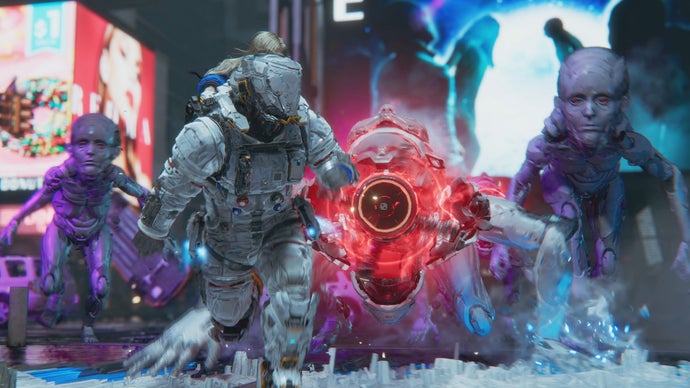
The team behind the game “Pragmata” illustrates this method. While the game’s visuals may suggest AI-generated settings, the developers have intentionally opted not to depend on AI technology for its development. Rather, they have adopted the idea of AI as a thematic component, using it to challenge players’ perceptions and stimulate reflection on the role of technology in our lives.
This sophisticated approach underscores the potential for AI to enhance artistic expression without sacrificing the essence of the creative process. By recognizing both the challenges and opportunities of AI, artists can leverage its capabilities to extend the limits of their creations while upholding a dedication to authenticity and originality.
In summary, the emergence of AI in art is a complex and multi-dimensional occurrence. While it may elicit varied responses, it is critical to acknowledge the potential for AI to make a positive contribution to the artistic domain. By viewing AI as a means for innovation and exploration, artists can continue to produce significant and impactful works that resonate with audiences globally.