Last week, the Pan European Game Information (PEGI) revealed major updates to their age rating standards, introducing four fresh categories designed to tackle contemporary gaming features. These modifications will result in games that include loot boxes, NFTs, and daily quests aimed at encouraging frequent player engagement to avoid missing out, automatically attaining elevated age ratings. This initiative is part of PEGI’s commitment to adapting to shifting gaming trends and ensuring that age ratings reflect the possible effects of these features on younger players.
Loot boxes and comparable systems have sparked controversy within the gaming sector, often likened to gambling due to their unpredictable reward mechanisms. By elevating the age ratings for games incorporating such elements, PEGI seeks to offer clearer advice for parents and caregivers, assisting them in making educated choices regarding the games their children engage with.
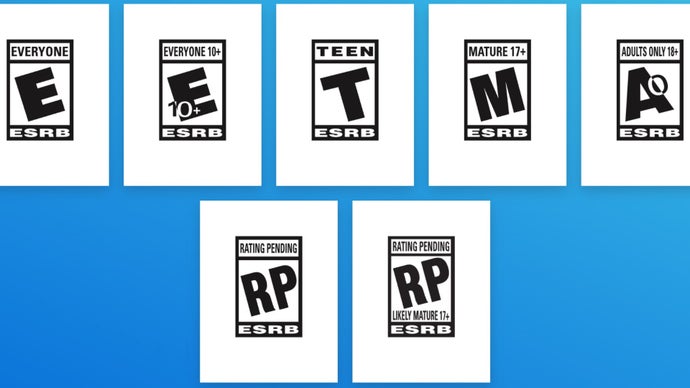
Conversely, the Entertainment Software Rating Board (ESRB), PEGI’s equivalent in the United States, has opted not to carry out similar modifications at this point. The ESRB has raised concerns that changing age ratings based on these criteria could generate confusion among parents, potentially complicating their decision-making regarding suitable content for children.
The conflicting strategies between PEGI and the ESRB emphasize the ongoing discussion about the most effective ways to regulate and inform consumers about video game content, especially as the industry advances with new technologies and monetization methods. While PEGI’s proactive approach seeks to mitigate potential risks linked to modern gaming practices, the ESRB’s cautious strategy highlights the difficulties in balancing consumer protection with effective communication. As the dialogue surrounding these matters progresses, both organizations may be required to adjust their tactics to address the needs of players and parents in a constantly evolving gaming environment.