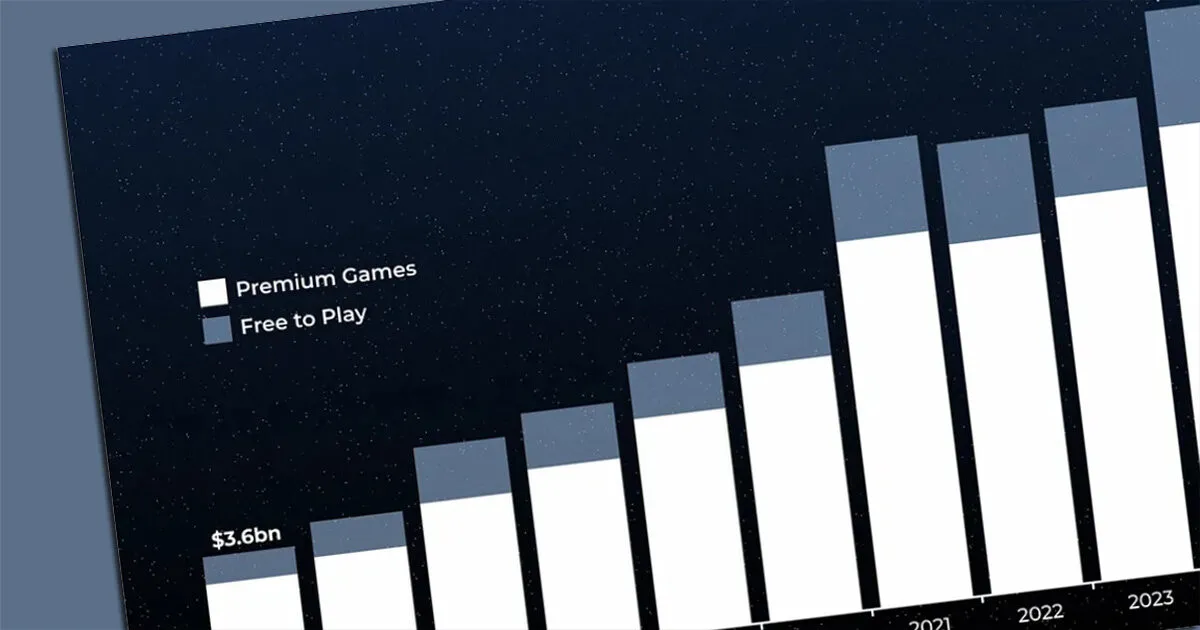
A few years back, the gaming scene was largely shifted by the emergence of free-to-play models, particularly in live service titles. These games, crafted to maintain player interest over extended periods, frequently relied on microtransactions and in-game purchases as revenue sources. This model gained traction because it reduced the entry barrier, enabling more gamers to participate without an initial investment. Nevertheless, the launch of Helldivers 2 signaled a notable change in this trend.
Helldivers 2, created by Arrowhead Game Studios, debuted not as a free-to-play option but as a paid game, with a price tag of $40. This choice stood out as it strayed from the usual norm of providing live service games for no charge. The pricing strategy placed Helldivers 2 between the conventional free-to-play approach and the increasingly prevalent $80-$100 price points of significant game launches. By opting for this intermediary position, Arrowhead sought to deliver a premium experience without the steep entry fees associated with other blockbuster games.
The ramifications of Helldivers 2’s pricing choice went beyond its initial release. Embark Studios, the team behind Arc Raiders, took notice of Arrowhead’s strategy and opted to replicate it. Initially contemplating a free-to-play structure, Embark pivoted to a paid model for Arc Raiders, motivated by the effectiveness and reasoning behind Helldivers 2’s pricing. This decision underscores a rising trend among developers to investigate different pricing models that harmonize accessibility with the aim of providing a full gaming experience without depending excessively on microtransactions.
The actions of both Arrowhead and Embark reflect a wider dialogue in the industry concerning the viability and player reception of free-to-play models. While these models have been effective for numerous games, they frequently encounter backlash for their aggressive monetization methods and pay-to-win elements. By selecting a paid approach, developers can concentrate on creating a unified and engaging experience, which may ultimately enhance player satisfaction and loyalty.
In summary, the launch of Helldivers 2 as a premium game has prompted other developers, like Embark with Arc Raiders, to rethink the free-to-play paradigm. This evolution points toward a possible shift in the gaming landscape, wherein developers strive to balance accessibility with quality, offering gamers a comprehensive experience devoid of the drawbacks of overreaching monetization. As the industry progresses, it will be fascinating to observe how these pricing models influence both player engagement and the economic viability of live service games.